
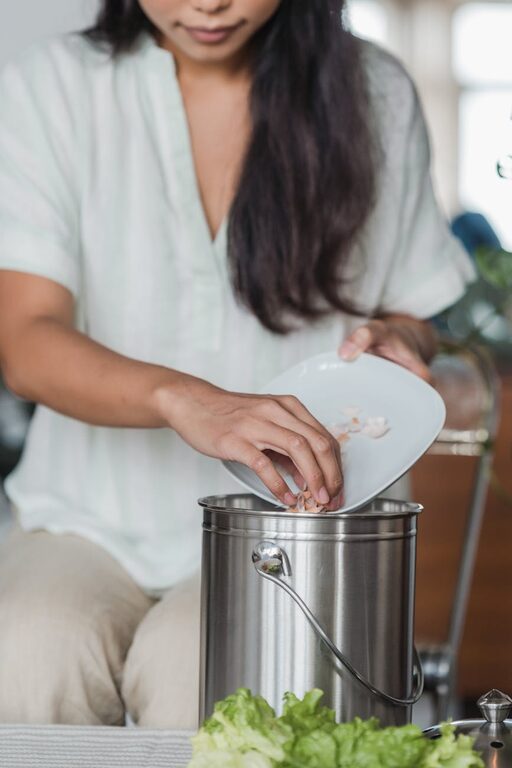
Composting at home is a fantastic way to reduce waste, enrich your garden soil, and contribute to a healthier environment. If you’re new to composting, it may seem a bit overwhelming, but with the right guidance, anyone can get started easily. This post will walk you through beginner-friendly tips that will help you build your own compost pile or bin and maintain it successfully.
What is Composting?
Composting is the natural process of recycling organic materials like food scraps and yard waste into a rich soil amendment. Instead of sending these items to the landfill, composting allows them to break down and turn into humus, which improves soil structure, nutrient content, and water retention.
Benefits of Composting at Home
– Reduces landfill waste: Composting diverts organic waste from landfills, decreasing methane emissions.
– Enhances soil quality: Compost adds nutrients and beneficial microbes to your garden soil.
– Saves money: You reduce the need for chemical fertilizers and soil conditioners.
– Supports plant health: nutrient-rich compost promotes stronger, healthier plants.
Getting Started: Beginner Composting Tips
1. Choose a Composting Method
There are several ways to compost at home. Pick the method that works best for your space and lifestyle.
– Compost bin: A closed container that holds your scraps. It’s tidy and good for small yards.
– Compost pile: An open heap in your garden. This is easier to manage but may attract pests if not maintained.
– Tumbler: A rotating bin that speeds up the composting process.
2. Pick the Right Location
Choose a spot for your compost bin or pile that is:
– Easy to access
– Shaded or partially shaded to keep moisture balanced
– Well-drained to avoid waterlogging
3. Know What to Compost: Browns and Greens
Successful composting needs a balance of “browns” and “greens.”
– Browns: Dry, carbon-rich materials like dead leaves, straw, shredded paper, and cardboard.
– Greens: Wet, nitrogen-rich materials such as fruit and vegetable scraps, coffee grounds, grass clippings, and fresh garden waste.
Aim for roughly 3 parts browns to 1 part greens for optimal decomposition.
4. Avoid Composting These Items
Certain materials should never go into your compost because they can cause odors, attract pests, or spread diseases.
– Meat, fish, dairy, and oily foods
– Diseased plants
– Pet waste (especially from carnivores)
– Invasive weeds with seeds or roots
5. Prepare Your Materials
– Chop or shred larger items to speed decomposition
– Avoid adding very large quantities of green materials all at once to prevent odor
6. Keep Your Compost Moist and Aerated
– Compost should be about as damp as a wrung-out sponge. Too dry slows decomposition, too wet causes bad smells.
– Turn or mix your compost weekly or every two weeks. This adds oxygen, helping microbes break down the materials faster.
7. Be Patient and Monitor Progress
Depending on conditions, compost can take from a few months to a year to mature. You’ll know it’s ready when the material is dark, crumbly, and earthy-smelling.
8. Use Your Finished Compost Wisely
Spread your finished compost in your garden beds, around plants, or mix it into potting soil. It improves soil health, water retention, and plant growth.
Troubleshooting Common Composting Issues
– Bad odors: Often caused by too much green material or compacted compost. Add more browns and turn the pile.
– Pests: Avoid meat and dairy scraps; use a covered bin if pests are a problem.
– Slow decomposition: Chop materials smaller, keep compost moist, and aerate regularly.
Additional Tips for Success
– Start small to make the process manageable.
– Use a compost thermometer if you want to track the temperature to speed composting.
– Consider worm composting (vermiculture) for indoor composting of kitchen scraps.
– Use a compost bin with a lid if you live in an area with animals or harsh weather.
Final Thoughts
Composting at home is a rewarding and eco-friendly practice that anyone can enjoy. By following these beginner tips, you’ll create nutrient-rich compost, reduce your waste, and support your garden’s health. Start small, stay consistent, and watch nature do its amazing work right in your backyard!
Happy composting!